Perspectives
Five products. Five different industries. One discipline.
Reebok Pump
Reebok's CEO wanted to beat Nike in basketball performance. The obvious brief: make players jump higher. We spent three months chasing every technical solution we could think of. Wires, batteries, carbon fiber, energy return systems. Nothing worked, because we were solving the wrong problem.
I stopped focusing on jumping and started focusing on landing. Players could already jump. The real risk was how they hit the ground, planted, and cut. More importantly, the real opportunity wasn't biomechanical at all. It was psychological.
We built crude prototypes using blood pressure cuffs glued inside shoes and tested them with the Cohasset High School boys team. These weren't polished products. They were taped-together experiments held together with hope. One player said, "These make me feel like I can play harder."
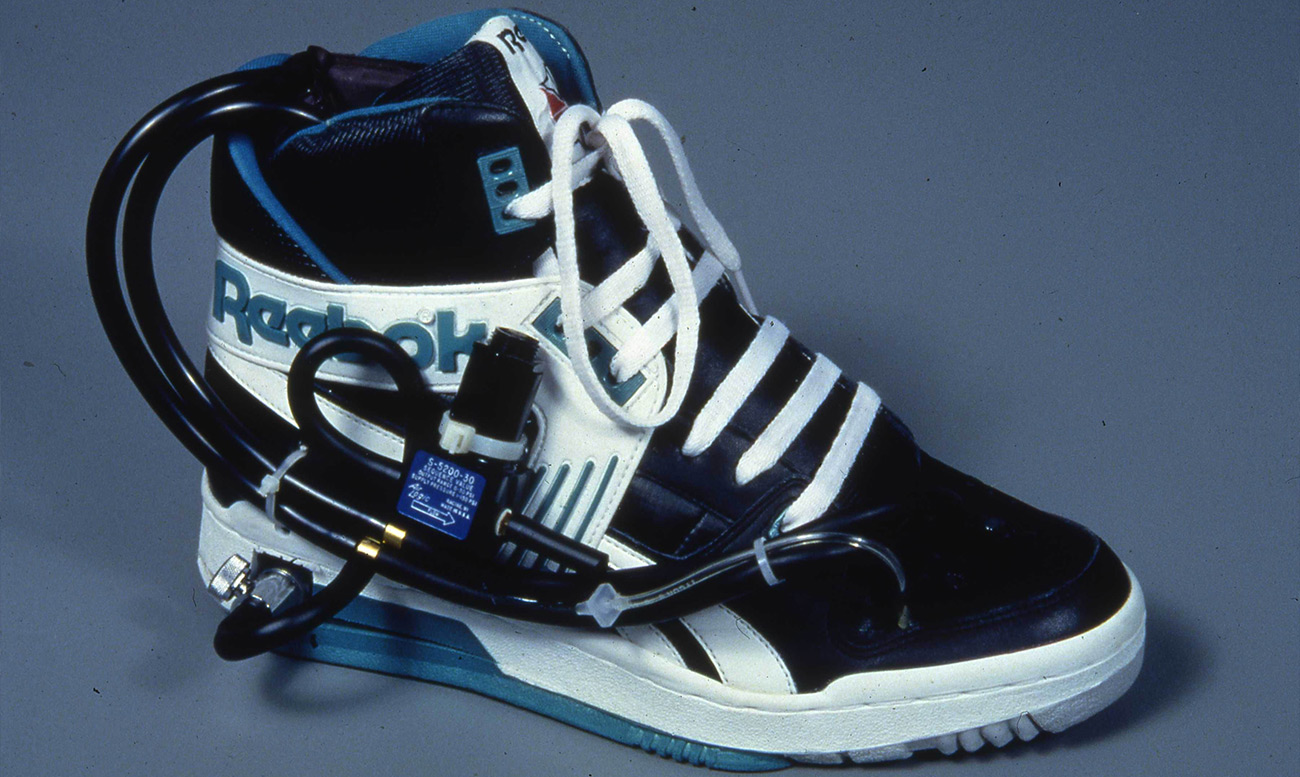
That one sentence became the entire product. Not vertical leap. Not measurable performance. Confidence during hard play. The Pump became one of the most iconic products in athletic footwear history because we found the note and built everything around it. The inflation mechanism wasn't a feature. It was the feeling of a shoe that was truly yours, fitted by you, for you.
The brief said "help players jump higher." The product said "help players believe they can play harder." That gap is where category-defining products live.
Swiffer
In the mid-90s, P&G wanted to grow their floor care business. The conventional brief: build a better mop.
We went into people's homes and watched them clean their floors. Not a focus group. Not a survey. We watched. The real problem wasn't mop performance. It was that floor cleaning was a 45-minute ritual people dreaded and avoided. They were spending almost as much time cleaning their tools as cleaning their floors. And "clean" wasn't about sanitation. It was tied to how people felt about their home and themselves.
The insight wasn't "build a better mop." It was "eliminate the mop entirely."

Here's the part nobody talks about: initial concept testing killed it. On paper, consumers rejected the idea. The project was nearly dead. The team built a crude experiential prototype and put it in people's hands. Once they could actually use it, everything changed. The same consumers who rejected the concept immediately understood it. Quick, easy, no filthy mop head, and a level of clean that matched how they wanted their home to feel.
Swiffer didn't improve a category. It eliminated one. It created a multi-billion dollar platform because P&G had the courage to kill the thing they were already good at making. The note wasn't "better cleaning." It was "freedom from the ritual."
Target Shopping Cart

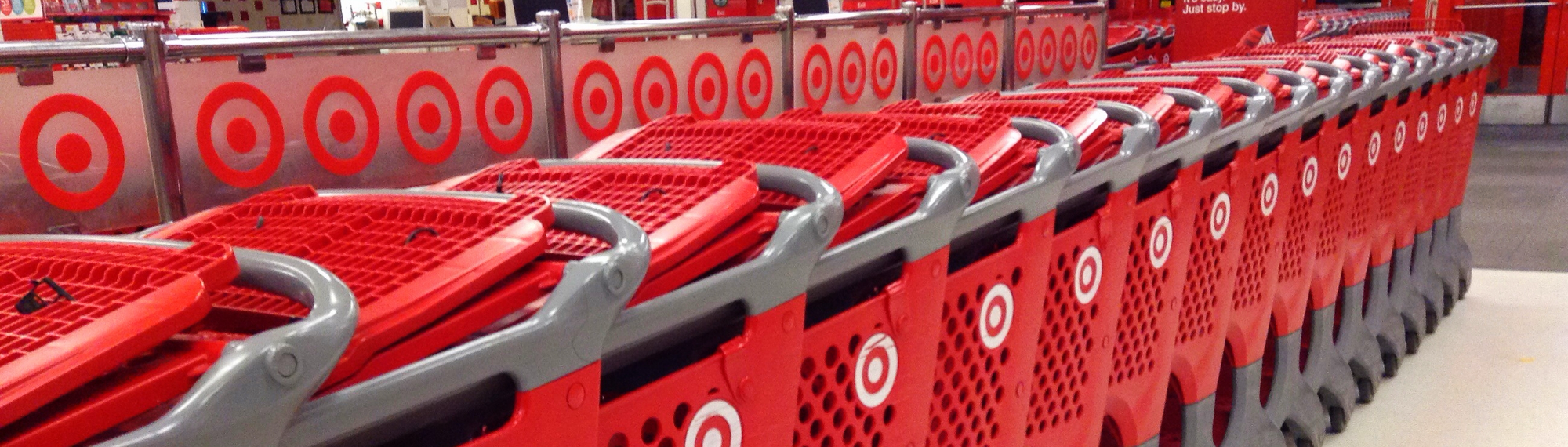
In 2005, Target hired Continuum to redesign their shopping cart. Every other firm bidding showed up talking about durability, cost optimization, and manufacturing capabilities.
I created Cart Cam instead.
I mounted a digital camera in a block of foam, stuck it in the child seat of a shopping cart, and filmed my wife taking our four kids through an entire Target trip. 45 minutes of chaotic, real-world shopping. It was scrappy. Shaky footage from a foam-mounted camera. But it won the bid, because it showed something no spec sheet could.
The footage revealed what the brief missed entirely. When my daughter licked the cart handle, Target's team understood immediately. The cart wasn't just moving groceries around the store. It was the one thing every customer touched for their entire visit. Wobbly wheels and rusty frames didn't just make shopping harder. They made Target feel cheap.
We reframed from "design a better cart" to "design a brand ambassador." Allan Cameron led the industrial design. The result: all-plastic, bright Target red, hyper-maneuverable, modular parts that stayed looking good throughout their life.
That cart has been in stores for nearly 20 years. It's been in the permanent collections of design museums. And it started with a foam-mounted camera and a toddler who put her mouth on the wrong thing.
The note wasn't durability. It was the feeling of the brand in your hands for 45 minutes.
Giro Roc Loc
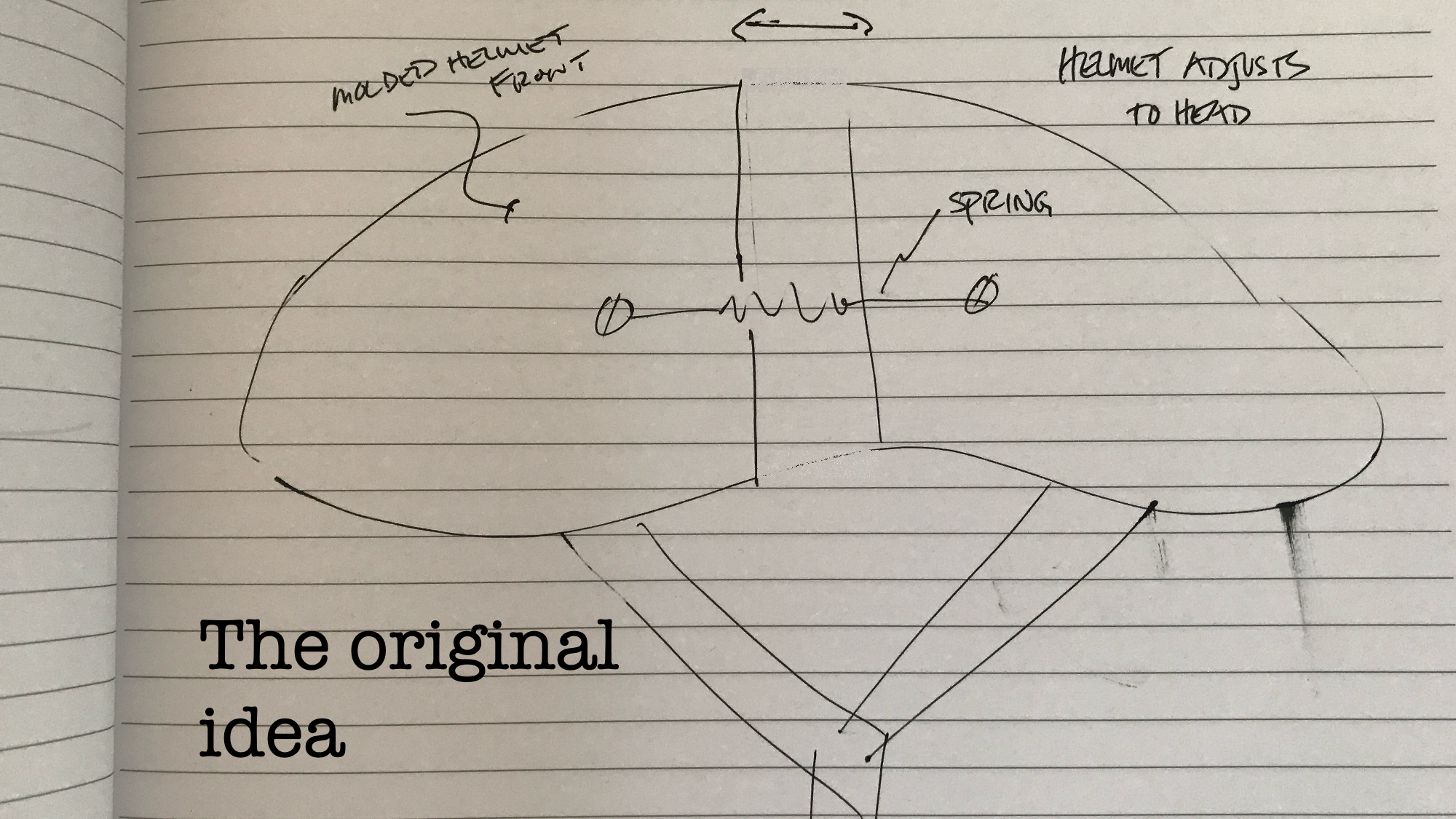
The CEO of Giro Sports arrived with a prototype already built: a cycling helmet cut in half with springs connecting both pieces. His goal was accommodating different head sizes and shapes. He'd already designed the solution before we started.
The brief was wrong. The job wasn't accommodating head size variety. The job was keeping the helmet properly positioned during impact so it could do its actual work: protect the rider's brain. A helmet that fits comfortably but shifts on impact is a helmet that fails when it matters most.
We reframed from "better sizing" to "crash positioning." The result was Roc Loc, a simple retention mechanism that uses the occipital bones at the base of the skull as anchors to hold the helmet stable. It added roughly a dollar in manufacturing cost and justified premium pricing.
The CEO trusted me enough to hear "your solution is solving the wrong problem" when he showed up with something already designed. That trust allowed us to step back, ask a better question, and build something the entire industry eventually adopted. Today, virtually every cycling helmet on the market uses an occipital retention system. If you ride, you're wearing a descendant of Roc Loc.
The note wasn't comfort. It was the 3 seconds before impact that matters most.
National Sleep Therapy
When I co-founded National Sleep Therapy, the sleep apnea industry had a problem it didn't want to look at: roughly half of patients who start CPAP therapy quit. The industry's business model was built around selling and shipping equipment. Once the device left the warehouse, the patient was largely on their own. Non-adherence meant wasted equipment, higher downstream healthcare costs, and millions of people living with untreated sleep apnea.
Every competitor was selling machines. We decided to sell the outcome.
We built what we called the NST ECOsystem: iPad-based setup education so patients actually understood their therapy from day one, quiet telemonitoring to identify struggling patients early before they gave up, a shared portal so patients and providers saw the same data, and a coaching team focused on helping humans succeed rather than just delivering boxes.
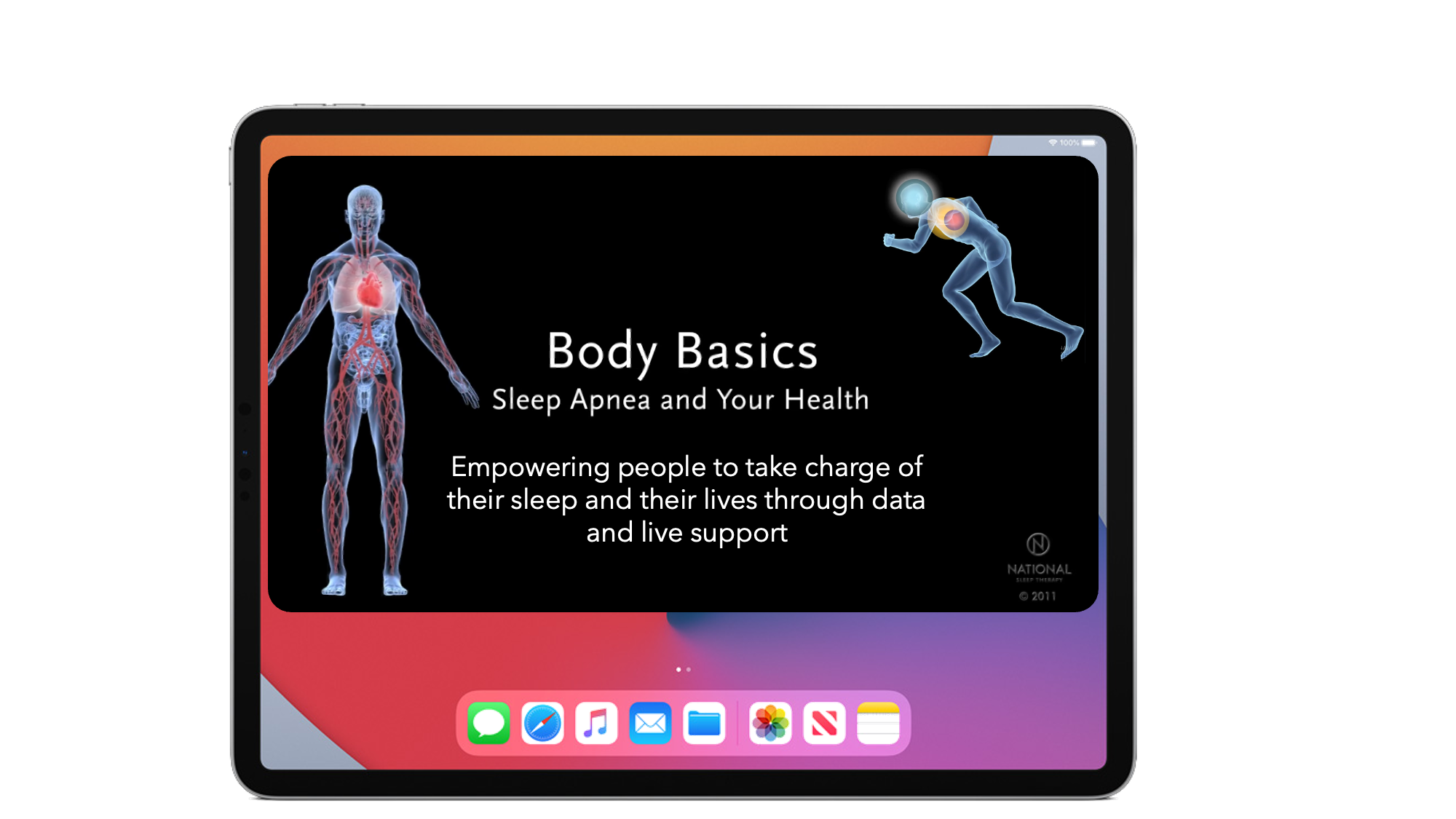
NST achieved adherence rates in the high 80s for thousands of patients, in an industry where 50% was the norm. That's not an incremental improvement. That's the difference between therapy that works and therapy that collects dust in a closet.
The company grew rapidly. Forbes 5000 recognition. And the reason was simple: we aligned everyone's incentives around the same note. Patient success meant provider success meant payer savings meant our growth. We had patients raving about us online, getting healthier, and buying accessories they needed quarterly while competitors raced to the bottom trying to reduce costs, because we were selling the thing that actually mattered.
The note wasn't the device. It was whether someone used it tonight.
Reebok Pump and Swiffer photos courtesy of Continuum. Work conducted while at Continuum.